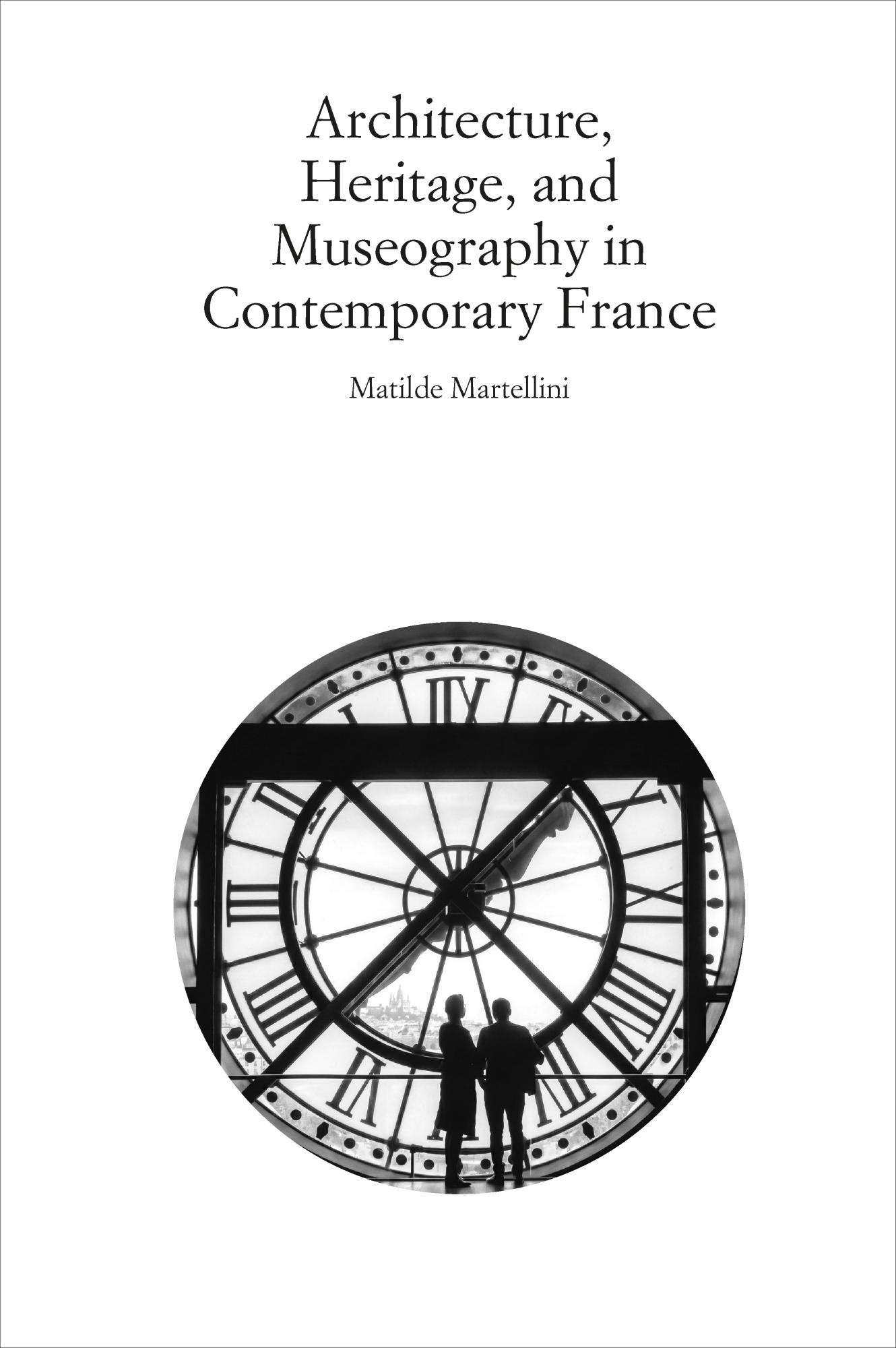
The volume analyzes the evolution of major French exhibition institutions, positioning itself critically at the intersection of architectural history and museography. By examining the theoretical debates between the formal autonomy of artworks and their connection to the cultural horizon of their time, the research explores how state cultural policies and curatorial practices have collaborated in structuring and continuously renegotiating the narrative of artistic modernity and the preservation of heritage.
Within this methodological framework, the Musée d’Orsay is taken as a fundamental case study for understanding the dynamics of adaptive reuse and spatial design. The study traces its architectural, political, and museographical trajectory, examining the complex and at times controversial dialogue between the engineering and monumental preexistence of Victor Laloux and the subsequent postmodern interior design intervention by Gae Aulenti. Analyzing the intense critical reception that accompanied its 1986 inauguration, the text offers an in-depth reflection on how architecture itself becomes a critical device for the viewing and narration of nineteenth-century art history.
Matilde Martellini holds a dual PhD in Heritage Science from Sapienza University of Rome and in Histoire de l’art, des représentations et de l’administration en Europe from the École Pratique des Hautes Études (EPHE-PSL). She is a research fellow at the University of Rome Tor Vergata. Currently, she is a member of the research group for the COST Action project LEonardo’s Codex Atlanticus and other miscellaneous Folios: A Digital Reconstruction (LEAF). Her primary research interests focus on the intersections between architectural history and museography.

| Pagamenti sicuri con |  |
 |
 |
 |
 |
 |
 |
© 2026 - P.IVA 01194560502 - Tutti i diritti sono riservati | Termini e condizioni | Politica della privacy | Sito realizzato da Devitalia Telecomunicazioni